
 English
 中文简体
中文简体 русский



Article Directory
На мировом рынке инфраструктуры и сетей связи спецификация** Компаунды LSZH для кабелей связи ** — непреложное требование, обусловленное строгими правилами пожарной безопасности. Использование материалов Low Smoke Ноль Halogen предотвращает выбросы густого дыма и агрессивных токсичных газов во время сгорания, защищая жизнь людей и чувствительное электронное оборудование. Для производителей кабелей проверка соответствия требует строгих процедур **тестирования соединений, не содержащих галогенов**, и соблюдения конкретных требований **LSZH с низкой плотностью дыма**. Компания Hangzhou Meilin New Material Technology Co., Ltd., имеющая более чем 30-летний опыт работы и 31 передовую производственную линию на трех заводах, специализируется на производстве высококачественных компаундов LSZH, обеспечивая соответствие требованиям и превосходную производительность как для отечественных, так и для международных клиентов.
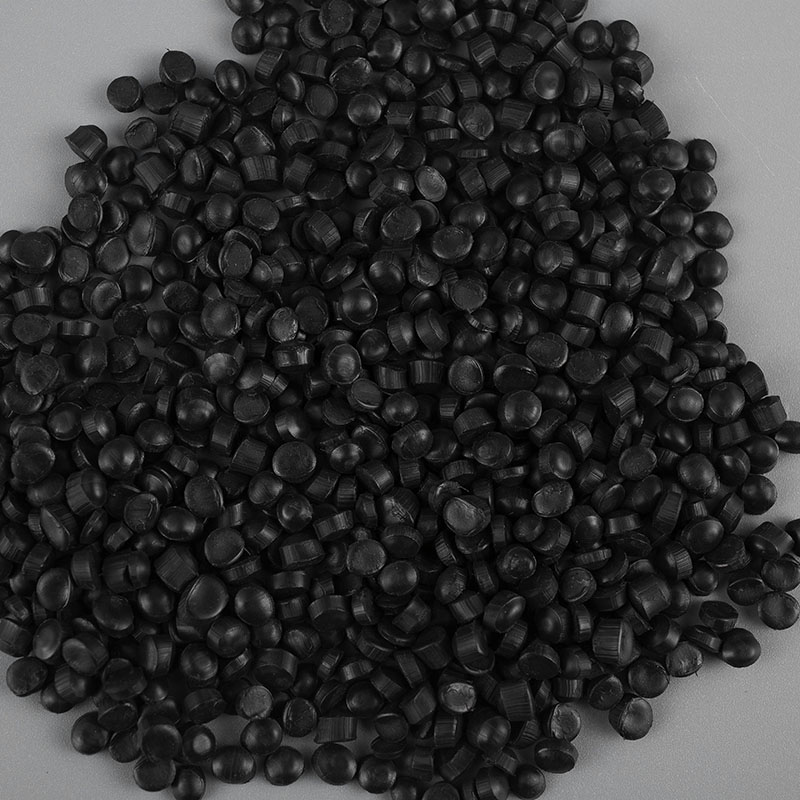
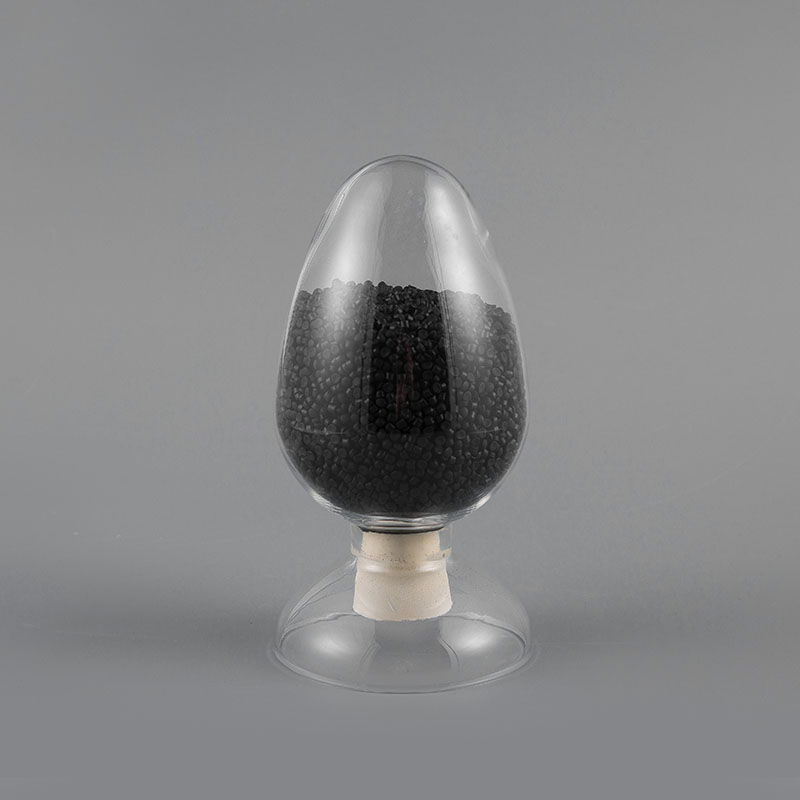
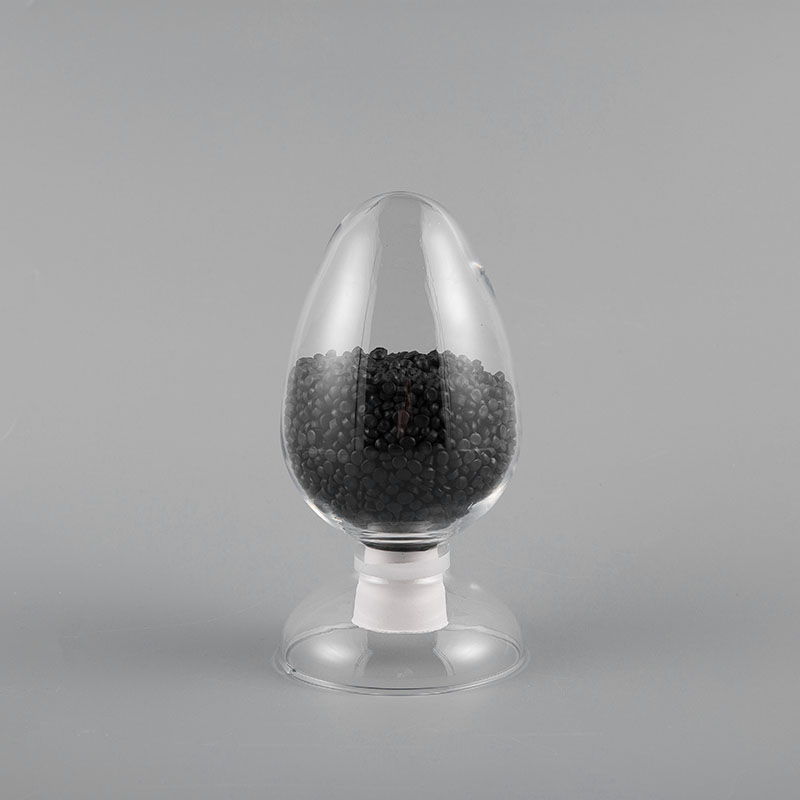
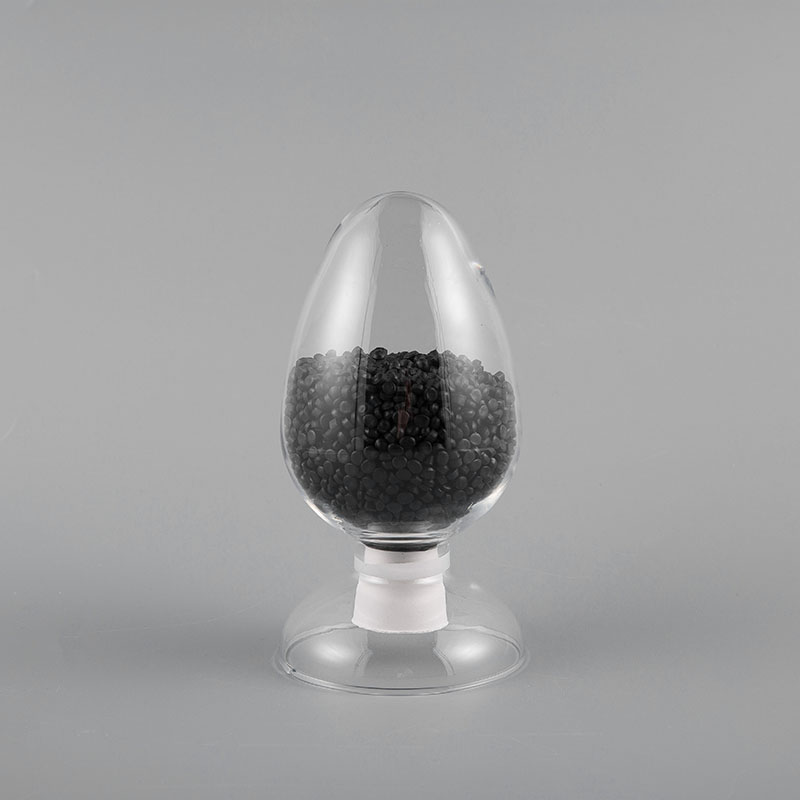
ML-TH9002B2 Огнестойкий термопластик LSZH класса B2ca.
Проверка отсутствия галогенов и токсичность
Основным принципом LSZH является устранение высококоррозионных продуктов сгорания.
Выполнение Тестирование безгалогенных соединений процедуры
To confirm that a product qualifies as halogen-free, rigorous **Halogen-free compound testing** procedures must be conducted, primarily the IEC 60754 series. This involves burning the material under controlled conditions and measuring the acidity (pH) and conductivity of the resulting combustion gases. The standard mandates that the pH value must be above $4.3$ (indicating low acidity) and the conductivity must be below $10 \mu\text{S}/\text{mm (indicating minimal ionized corrosive content). This ensures the material does not pose a threat to people or cause corrosion damage to nearby infrastructure.
Comparing Halogenated vs. Halogen-Free Compounds
The chemical difference between traditional and modern compounds is vital. Standard materials like PVC rely on chlorine (a halogen) to achieve fire retardancy, but combustion releases highly toxic and corrosive Hydrogen Chloride (HCl) gas. **LSZH Compounds For Communication Cables**, conversely, achieve flame retardancy through large loadings of metal hydroxides (e.g., magnesium hydroxide). When heated, these hydroxides decompose endothermically, releasing water vapor to cool the flame and forming a protective char layer, effectively eliminating acid gas release.
Comparison: Compound Type vs. Acid Gas Emission and Environmental Impact:
| Compound Type | Halogen Content | Acid Gas Release During Fire (Corrosivity) |
|---|---|---|
| PVC (Halogenated) | High | High (Releases HCl) |
| Компаунды LSZH для кабелей связи | Zero | Negligible (Neutralized by metal hydroxides) |
Flammability and Smoke Density Control
Beyond acid gas, controlling the spread of fire and maintaining visibility are crucial safety factors.
Interpreting Flammability testing standards for cable jackets
Verification of flame spread resistance relies on strict **Flammability testing standards** such as IEC 60332. The single cable vertical flame test (IEC 60332-1-2) confirms that the jacket material is self-extinguishing and will not propagate the flame. For large installations, more demanding bundle tests (IEC 60332-3) are required. B2B buyers should also review the Limiting Oxygen Index (LOI) of the compound; a higher LOI value (typically $> 30\%$) indicates a stronger resistance to ignition and combustion.
Meeting stringent LSZH low smoke density requirements
The primary threat in enclosed fires is smoke inhalation and loss of visibility, which hinders evacuation. The IEC 61034 standard dictates how **LSZH Compounds For Communication Cables** must perform regarding smoke emission. The test measures the percentage of light lost over a specified path length when the cable is combusted. Achieving **LSZH low smoke density** requirements means the material must maintain a high percentage of light transmittance (typically $> 60\%$) throughout the test, a key performance metric for **LSZH materials for data cable** jacketing used in tunnels and subways.
Manufacturing Considerations and Performance
Compound processability is tied directly to manufacturing efficiency and final product quality.
Processing characteristics of LSZH for high-speed extrusion
The **Processing characteristics of LSZH** are inherently complex due to the heavy loading of non-polymeric mineral fillers required for fire retardancy. This high filler content affects the compound's viscosity and melt strength. Manufacturers must select compounds specifically optimized for high-speed extrusion lines. Poor **Processing characteristics of LSZH** can lead to extruder surging, material degradation, and surface roughness on the final cable jacket, requiring specialized extrusion equipment and precise temperature control.
Applying LSZH materials for data cable jacketing
When using **LSZH materials for data cable** jacketing (e.g., Cat 6, Cat 7), the compound must meet two sets of demanding criteria: fire safety *and* electrical performance. **LSZH Compounds For Communication Cables** used for high-frequency data transmission must have a stable, low relative permittivity and low dissipation factor to minimize signal attenuation and maintain the necessary bandwidth capacity. Compromising on the electrical properties of the **LSZH materials for data cable** jacketing for the sake of fire performance is unacceptable in modern networks.
Conclusion
Sourcing **LSZH Compounds For Communication Cables** is a critical engineering decision that balances fire safety compliance with manufacturing efficiency. Success depends on selecting materials that have passed stringent **Halogen-free compound testing** procedures, meet demanding **LSZH low smoke density** requirements, and exhibit excellent **Processing characteristics of LSZH**. Hangzhou Meilin New Material Technology Co., Ltd. leverages its technological expertise, advanced production lines, and commitment to R&D to provide high-quality **LSZH materials for data cable** jacketing and other specialized compounds that consistently meet global **Flammability testing standards** and performance expectations.
Frequently Asked Questions (FAQ)
- What is the key chemical mechanism that enables **LSZH Compounds For Communication Cables** to reduce smoke? **LSZH Compounds For Communication Cables** often contain high loadings of inorganic metal hydroxides (like Al(OH)}_3$ or Mg(OH)}_2$). When exposed to heat, these compounds release water vapor and form a dense char layer, which acts as a barrier to suppress smoke formation.
- Каков типичный допустимый диапазон pH в процедурах **тестирования безгалогенных соединений** (IEC 60754-2)? Стандарт IEC 60754-2 требует, чтобы pH водного экстракта дымовых газов был выше $4,3$, чтобы его можно было считать соответствующим и неагрессивным.
- Why is the **Технологические характеристики ЛСЖ** often more difficult than PVC? **Компаунды LSZH для кабелей связи** contain significantly higher volumes of inorganic solid fillers (up to $60\%$) required for fire suppression. This high filler content increases the compound's viscosity, making it more difficult to process smoothly and rapidly on high-speed extrusion lines compared to unfilled or lightly filled PVC.
- How does the choice of **Материалы LSZH для кабеля передачи данных** оболочка affect Cat 6A performance? Высокий-speed data cables require jackets with a low, stable Dielectric Constant ($K$) to minimize signal loss (attenuation). If the **LSZH materials for data cable** jacketing formulation has a high $K$ value or inconsistent mixing, it can degrade the cable's impedance and fail to meet Cat 6A transmission требования.
- Is passing the IEC 60332-1 test sufficient for a **LSZH низкая плотность дыма** claim? Нет. Соответствие стандарту IEC 60332-1 (вертикальное распространение пламени) лишь подтверждает огнестойкость. Заявление **LSZH о низкой плотности дыма** должно быть подтверждено отдельно с использованием стандарта IEC 61034, который измеряет светопропускание во время горения.